
USAID helps transform Vietnam's cacao industry
Chocolate might not be the first thing that comes to your mind when you think of Vietnam. However, as the world’s appetite for chocolate grows, Vietnam’s chocolate industry is getting a spotlight.
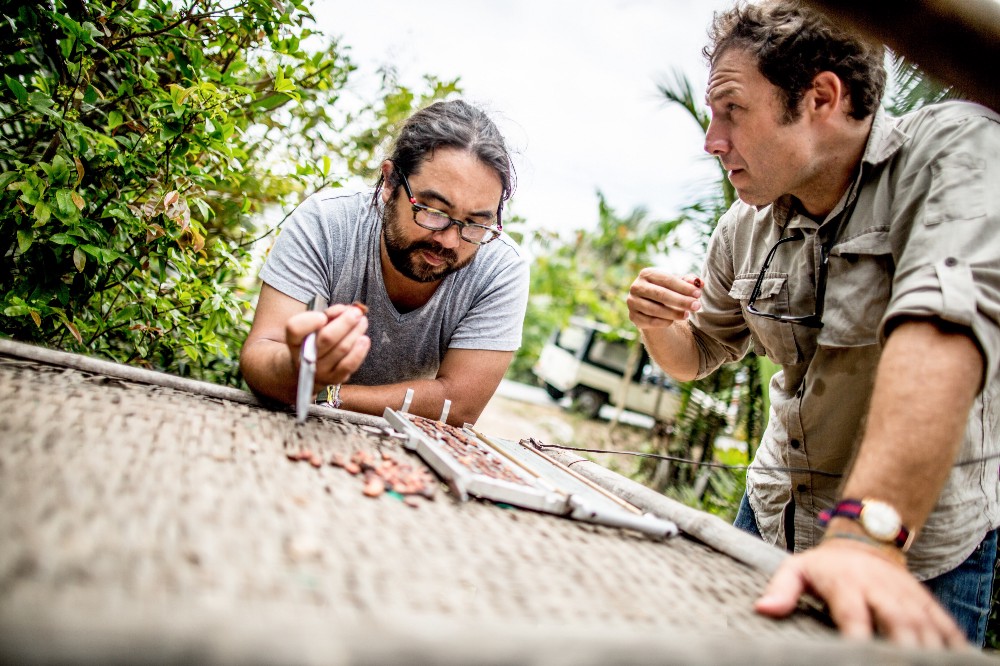 |
Marou founders Samuel Maruta (left) and Vincent Mourou (right). (Photo: Justin Mott, Marou)
Most of the world’s cacao trees are grown in Africa, South America and Asia. The trees require a specific climate, making it difficult to survive in much of the United States. With the bean-to-bar concept growing in popularity, chocolate makers are looking for a high-quality, persified cacao supply.
This is the sweet story of how cacao turns from bean to bar in Vietnam. How an American entrepreneur, Vincent, and a Vietnamese cacao grower, HBim, are putting Vietnam on the chocolate map. How USAID has helped cultivate the global chocolate market.
Vincent Mourou left a successful advertising career in San Francisco to find himself in Vietnam. That’s where he met Samuel Maruta, who was taking a break after a decade in banking, and together they started Marou, an artisan chocolate company based in Ho Chi Minh City.
“When I first arrived in Vietnam, I wanted to reinvent myself,” says Vincent. “I wanted to get into something that would be good for people, that would also make people happy. And to do it here, in the place of origin.”
Founded in 2011, Marou is involved in every step of the chocolate-making process, relying on cacao farmers who supply the beans. Vincent and Samuel travel throughout Vietnam, tasting the cacao bag by bag, getting a sense of the aromatics and acidity, and spending a lot of time in the selection process. They work closely with the farmers who they consider family.
Many cacao farmers in Vietnam were trained by USAID, including HBim B’Krong, a cacao tree grower from Dak Lak. She received cacao seedlings, fertilizer and technical training on cacao growing. Now cacao is her main source of income. She gives back to her community by training fellow farmers on cacao techniques.
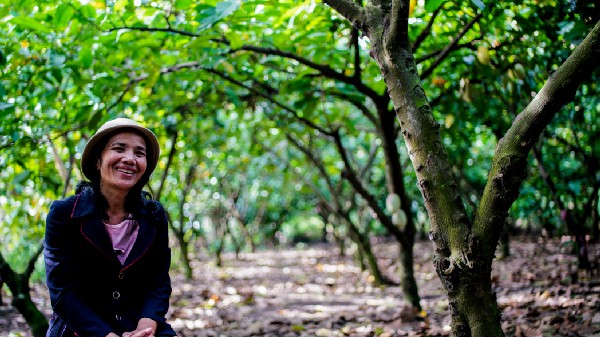 |
HBim B’Krong receives training from USAID (Photos: Sarosh Hussain)
HBim is dedicated to her job. She collects the colorful pods from tall cacao trees once they are ripe and ready after six months on the branches. She breaks the pods open and scoops the beans, which are covered in white pulp. She then places the beans in a wooden box lined with banana leaves for the fermentation process, which takes five to six days. Next, she dries the beans by placing them in the sun for 10 days.
These steps, taken before the beans get to the factory for roasting and grinding, impact the quality of the final chocolate product. HBim says she is determined to produce the best quality cacao beans in the country.
Recognizing the potential of cacao production in Vietnam, USAID and its partners played a vital role in building a sustainable cacao industry, providing farmers with training and skills so they can grow high-quality beans and become more resilient. At the same time, this also addresses the international cacao industry’s needs for persified cacao sources and supply.
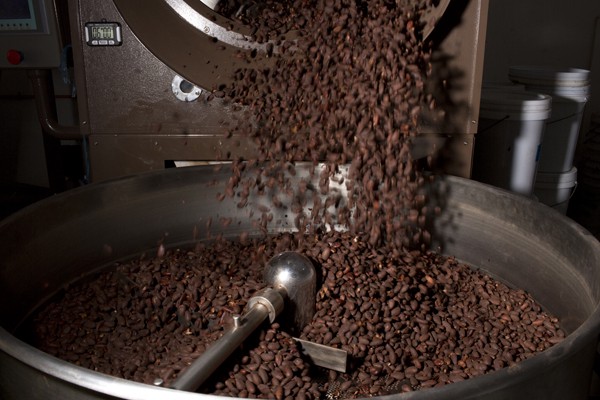 |
USAID has transformed the cacao industry in Vietnam (Photos: Justin Mott / Marou)
The Sustainable Cocoa Enterprise Solutions for Smallholders Alliance program began in 2003 in Vietnam as a partnership between USAID, the U.S. Department of Agriculture, ACDI/VOCA; local governmental and nongovernmental organizations; and private sector partners, including the World Cocoa Foundation and its member companies.
The program trained nearly 22,000 smallholder farmers in southern Vietnam and the Central Highlands in cacao production using sustainable cropping practices. It increased smallholder farmers’ incomes in Vietnam and improved their livelihoods by promoting cacao production and marketing. It also established cacao bean quality standards and provided monitoring and training to ensure farmers meet and maintain a level of cacao bean quality that is required by the global market.
Cacao is essential to the United States’ confectionery industry. USAID programs are designed to grow cacao bean export and improve quality, increasing incomes of smallholder farmers. This benefits American producers and supports American jobs. It is estimated that the chocolate and cacao industry provides at least 70,000 American jobs, involving suppliers, retail, manufacturing, and transportation.
USAID has transformed the cacao industry in Vietnam and is committed to finding a sustainable path forward for farmers. By strengthening economic growth, USAID is supporting partner countries on their development journey to self-reliance, advancing American commerce and promoting shared prosperity.
“I think agricultural efforts, development efforts, are great benefit to Americans. So it’s not just about a commodity. It’s about exchange, and it’s about people coming together,” says Vincent. “And for me as a U.S. citizen, it’s about sharing this sense of democracy, this sense of free enterprise, this sense of generosity./.
( VNF/Medium )
Most read


Recommended
 Economy
Quang Ninh To Host 2027 APEC Finance Ministers' Meeting
 Economy
Vietnam, Timor-Leste Expand Cooperation in Food Security and Fisheries
 Economy
Standard Chartered Raises Vietnam 2026 GDP Growth Forecast to 9,5%
 Economy
India launches its first hydrogen-powered train
Popular article
 Economy